Flower Line Art Graphics for Modern Illustrations
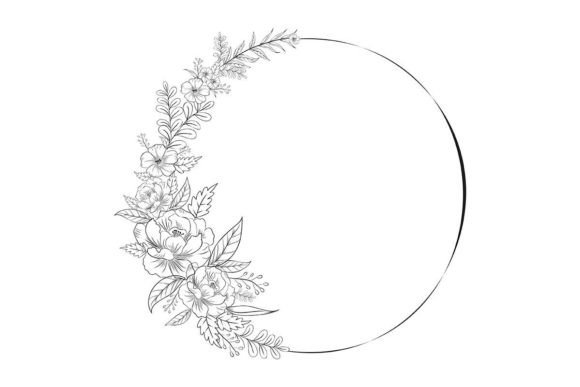
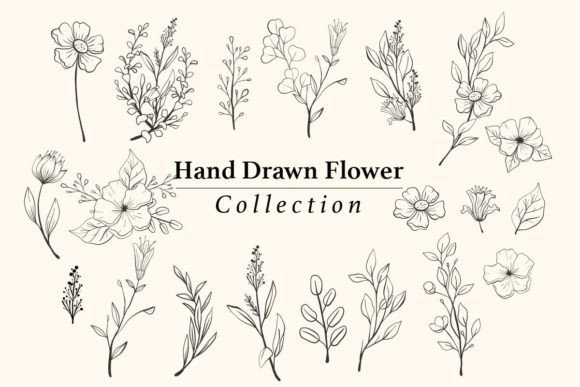
As an experienced blog designer and digital publisher, I’ve reviewed countless graphic design assets over the years. Recently, I came across Flower Line Art, a set of elegant illustrations that immediately caught my attention for their versatility and clean aesthetic. These graphics are perfect for bloggers, content creators, and website owners looking to enhance editorial design with a touch of floral charm.
A Fresh Visual Mood for Lifestyle and Creative Content
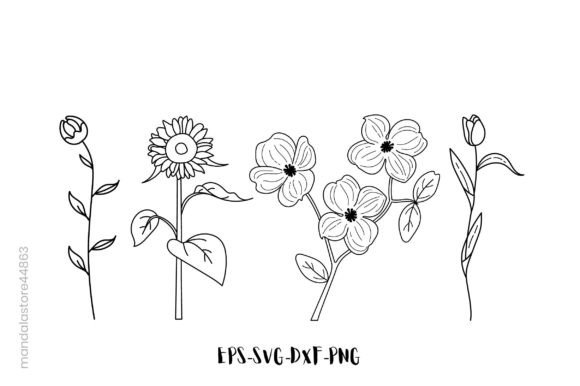
The first impression of Flower Line Art is one of softness and elegance. The minimalist line work creates a subtle yet impactful visual mood that feels both feminine and artistic. This makes it ideal for lifestyle-focused content, wellness blogs, creative tutorials, or even seasonal campaigns around spring and summer themes.
Depending on the color palette used, these illustrations can feel playful or professional, making them adaptable to various content niches. Whether you're designing a blog header, a Pinterest pin, or a downloadable printable, Flower Line Art brings a sense of modernity and sophistication that elevates any editorial layout.
Real Publishing Workflow: How Flower Line Art Fits In
In real publishing workflows, Flower Line Art can be used in a variety of ways. For instance, when preparing featured images for a blog post about floral arrangements or botanical gardens, these illustrations can serve as a background element or as part of the main visual composition.
For Pinterest graphics, they can act as the focal point of a pin, especially when paired with short, engaging text. In newsletter headers or category thumbnails, they help establish visual identity while keeping the design clean and uncluttered. When creating lead magnets or digital guides, these illustrations add a personal and artistic touch that encourages engagement.
They also work well in Canva templates, social media previews, and even as accents within editorial layouts. Their scalability and clean lines make them suitable for both web design and print-based projects like greeting cards or t-shirts.
Improving Content Performance with Floral Design
Using Flower Line Art in your content can significantly improve performance metrics. A stronger first impression is achieved through visually appealing graphics that draw readers in. Clearer visual hierarchy is maintained by using these illustrations to highlight key sections of your content, such as headers or call-to-action buttons.
These graphics also contribute to better click-through potential by making your blog posts, affiliate marketing pages, or digital product listings more attractive. They support consistent branding by reinforcing a visual identity that aligns with your brand’s tone and message. Overall, they help create a more professional-looking content page that builds reader trust and enhances user experience.
Where Flower Line Art Works Best
Flower Line Art shines in hero images, article thumbnails, Pinterest pins, blog graphics, and editorial accents. It's particularly effective in content upgrades, downloadable resources, and category visuals where a soft, artistic flair is desired. Newsletter headers and social media previews benefit from the gentle curves and minimalistic style of these illustrations.
When used in conjunction with text, they help break up dense paragraphs and guide the reader’s eye through the content. Their ability to blend seamlessly into both modern and traditional layouts makes them a valuable addition to any editorial design toolkit.
Where to Use with Caution
While Flower Line Art is highly versatile, it should be used carefully in certain contexts. Small mobile thumbnails may not capture the full detail of the illustration, so it's important to test how it looks at different sizes. Text-heavy blog images could become overwhelming if the illustration is too prominent, so balance is key.
On low-contrast backgrounds or busy layouts, these graphics might lose their impact. For serious professional niches or corporate content, a more minimal visual system might be preferable. However, for lifestyle, creative, or educational content, they are an excellent choice.
Publisher Notes: Practical Tips for Using Flower Line Art
Before integrating Flower Line Art into your content, test it on both desktop and mobile screens to ensure it looks good across all devices. Check how it appears as a thumbnail and preview it inside a real blog layout. Test it with headline text to see if the contrast and readability are maintained.
Preview it in black and white to assess its effectiveness without color. Place it beside different font styles—serif, sans serif, script, handwritten, and display fonts—to see how it complements your typography choices. Review file size for web performance and compress images properly to maintain fast loading times.
Finally, confirm commercial licensing before using these illustrations on monetized websites, affiliate pages, or paid content products. Ensuring proper rights will protect your brand and avoid any legal issues down the line.
Conclusion: Elevating Your Editorial Design
Flower Line Art is a powerful graphic design asset that can elevate your editorial design, website branding, and content marketing efforts. Whether you're creating blog graphics, social media visuals, or downloadable resources, these illustrations offer a clean, artistic touch that resonates with readers.
By incorporating Flower Line Art into your workflow, you can enhance your visual hierarchy, strengthen your brand identity, and create content that stands out in a crowded digital space. As a digital publisher, I can confidently say that these illustrations are a valuable addition to any creative design toolkit.